
 1
The Museum of Tahiti and Her Islands, in French the Musée de Tahiti et des Îles and in Tahitian Te Fare Iamanaha, stands on the lagoon shore at Punaauia, on Tahiti's west coast. It is the main museum of French Polynesia, devoted to the history, nature and culture of the islands, and the best single place to understand the region you are travelling in.
A visit takes a couple of hours, more if you linger. The museum has been renovated in recent years, with a modern exhibition hall and new displays. Go early, when it is quieter and cooler, and leave time for the garden by the water.
Getting there and the setting
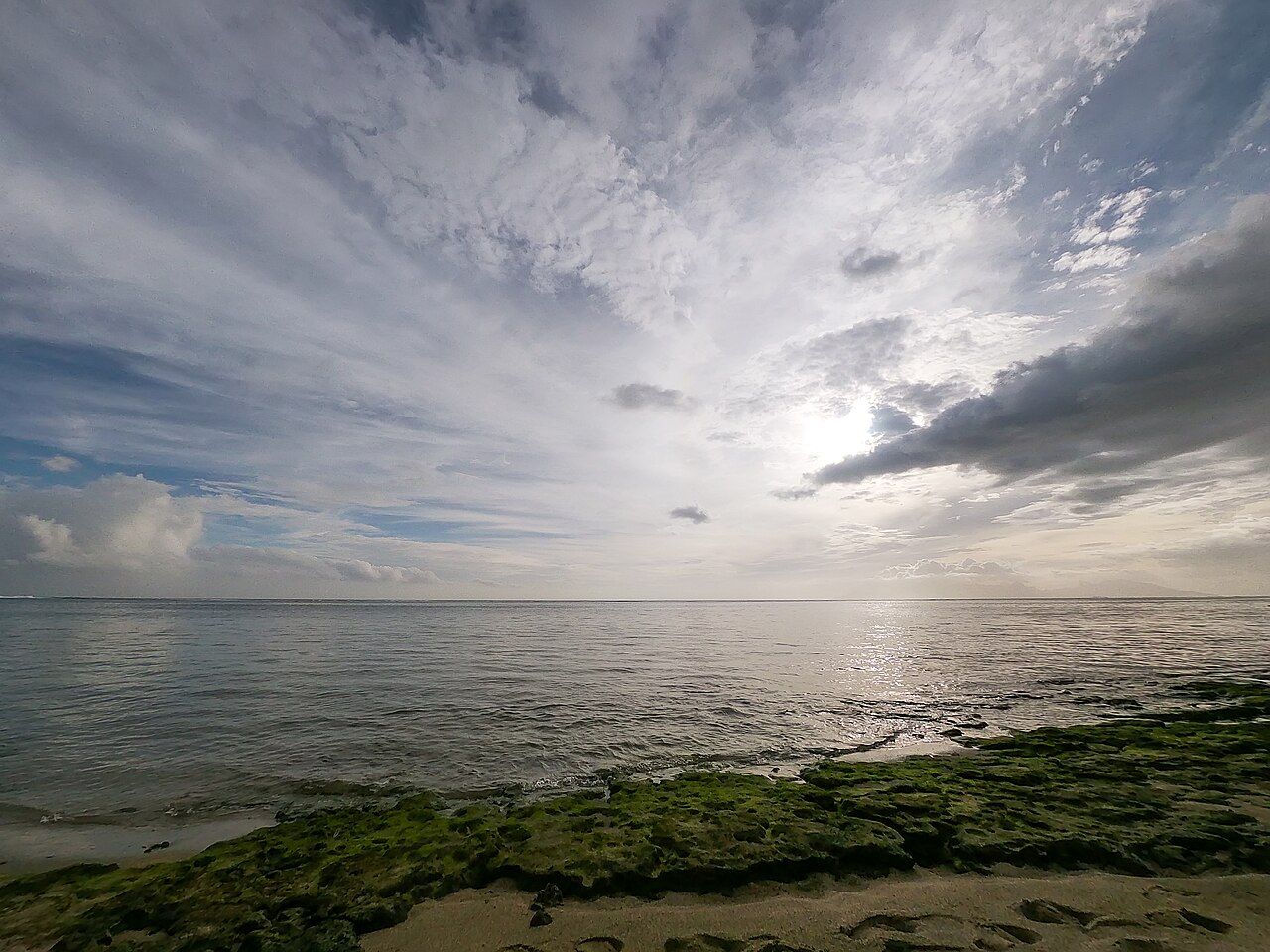
Punaauia lies on the west coast, a short drive south of Papeete along the coast road. The museum sits on a point by the lagoon, surrounded by gardens and facing Moorea across the channel. On clear afternoons, the peaks of Moorea stand out on the horizon, and the sunset from the shore is one of the finest on Tahiti.
Buses run along the west coast, but a car or taxi is easier. Opening days and hours change, and the museum may close on certain days or for special events, so check before you go. Entry fees are moderate; check current rates.
The islands and their nature
The museum begins, appropriately, with the islands themselves. Displays explain how volcanic islands form, rise and sink, and how coral reefs grow around them to create lagoons and, eventually, atolls. You learn about the five archipelagos of French Polynesia, spread across an area of ocean as large as Europe, and the plants and animals that reached them across the water.
These sections help you understand everything else you see on your trip, from the jagged peaks of Moorea to the low atolls of the Tuamotus, such as Rangiroa. They also explain why so few native land animals are found here, and how people brought many of the plants that now feed the islands, including breadfruit, taro and coconut.
Voyaging and settlement
Also on the menuRaiatea and the marae of Taputapuatea
The heart of the museum is the story of the people who settled these islands. Polynesian voyagers crossed thousands of kilometres of open ocean in double-hulled canoes, navigating by the stars, the swells, the winds and the flight of birds. The museum shows models and parts of canoes and explains how these voyages reached the far corners of the Pacific.
Raiatea, in the Leeward Islands, was a centre of this voyaging world, and its great marae of Taputapuatea was one of the most important sacred sites in Polynesia. The story of Raiatea and Taputapuatea explores it on the ground.
Other displays cover how people lived: houses, tools, fishing, farming and food. Fishhooks of shell and bone, carved with great skill, show how central the sea was to daily life. Pounders and bowls of stone and wood show how food was prepared, including the starchy pastes of taro and breadfruit.
Tapa, tiki and the sacred
Tapa, a cloth made by beating the inner bark of certain trees, was used for clothing, gifts and ceremonies. The museum shows examples of different kinds and explains how they were made and decorated. The patterns, stamped or painted, vary from island to island.
Tiki, carved figures of stone or wood, represent ancestors or deities. Carved figures and other sacred objects are part of the collections, and the displays explain the religious beliefs of pre-Christian Polynesia, the role of the marae and the importance of mana, spiritual power. Treat these objects with respect; for many Polynesians, they still carry meaning.
The museum also covers the arrival of Europeans, from the first explorers to missionaries, traders and colonial rule, and the changes these brought to island life, religion and food.
How the museum frames the islands
What makes the museum worth the trip is the way it connects everything. After a visit, the stone platforms of the Opunohu valley, the canoes in the harbour, the tiare flowers at the market and the fishhook pendants in the craft stalls all make more sense. You begin to see the islands as one long story, not a series of postcards.
It is worth visiting early in a trip for exactly this reason. The names that appear on road signs and maps, the shapes of the mountains, the words for food on a market label and the patterns on a pareu all start to connect. Many travellers find that the rest of their days on Tahiti and the other islands feel richer once they have spent a morning here, and some come back at the end of a trip to look again with new eyes.
The museum's perspective is also a reminder that Polynesian culture is alive. Dance, music, tattoo, canoe racing and language are all part of modern life in French Polynesia, and the museum presents them as such.
Food and a picnic by the lagoon
Plan your meal before you arrive. Pick up a picnic in Papeete or Punaauia on the way: a baguette, cheese, fruit and cold drinks. The museum gardens and the shore nearby suit a quiet lunch in the shade, with a view of the lagoon and Moorea.
If you want to taste some of the foods you have seen in the displays, look for uru (breadfruit), taro and poe at the Papeete market. The guide to the ahima'a earth oven explains the traditional Sunday feast, where many of these foods still come together.