
 1
Tahiti is two islands joined at the waist. The larger, round part is Tahiti Nui, with Papeete and most of the population; the smaller, southeastern part is Tahiti Iti, connected by the narrow isthmus of Taravao. Cross that isthmus and the pace drops. The roads narrow, the villages thin out and the mountains crowd closer to the sea.
Tahiti Iti has no road all the way round. One road runs along the north coast to Tautira, another along the south coast to Teahupo'o, and both stop where the cliffs begin. Between them lies a wild, roadless coast reached only on foot or by boat. A day here is about green hills, quiet bays and one of the most famous waves in the world.
Taravao and the plateau
Taravao is the gateway town, with supermarkets, a fuel station, a few snack bars and a busy road junction. It is the last place to stock up before heading onto the peninsula, so buy water, fruit and anything you need for a picnic here.
Above Taravao, a road climbs to the Taravao plateau, a cool, high area of open pasture, trees and grazing cattle. It surprises many visitors: after the heat of the coast, the air is fresher, the grass is deep and green and the scene could almost be somewhere in Europe. Dairy farms and market gardens make it one of Tahiti's main farming areas, supplying milk, vegetables and fruit to the island.
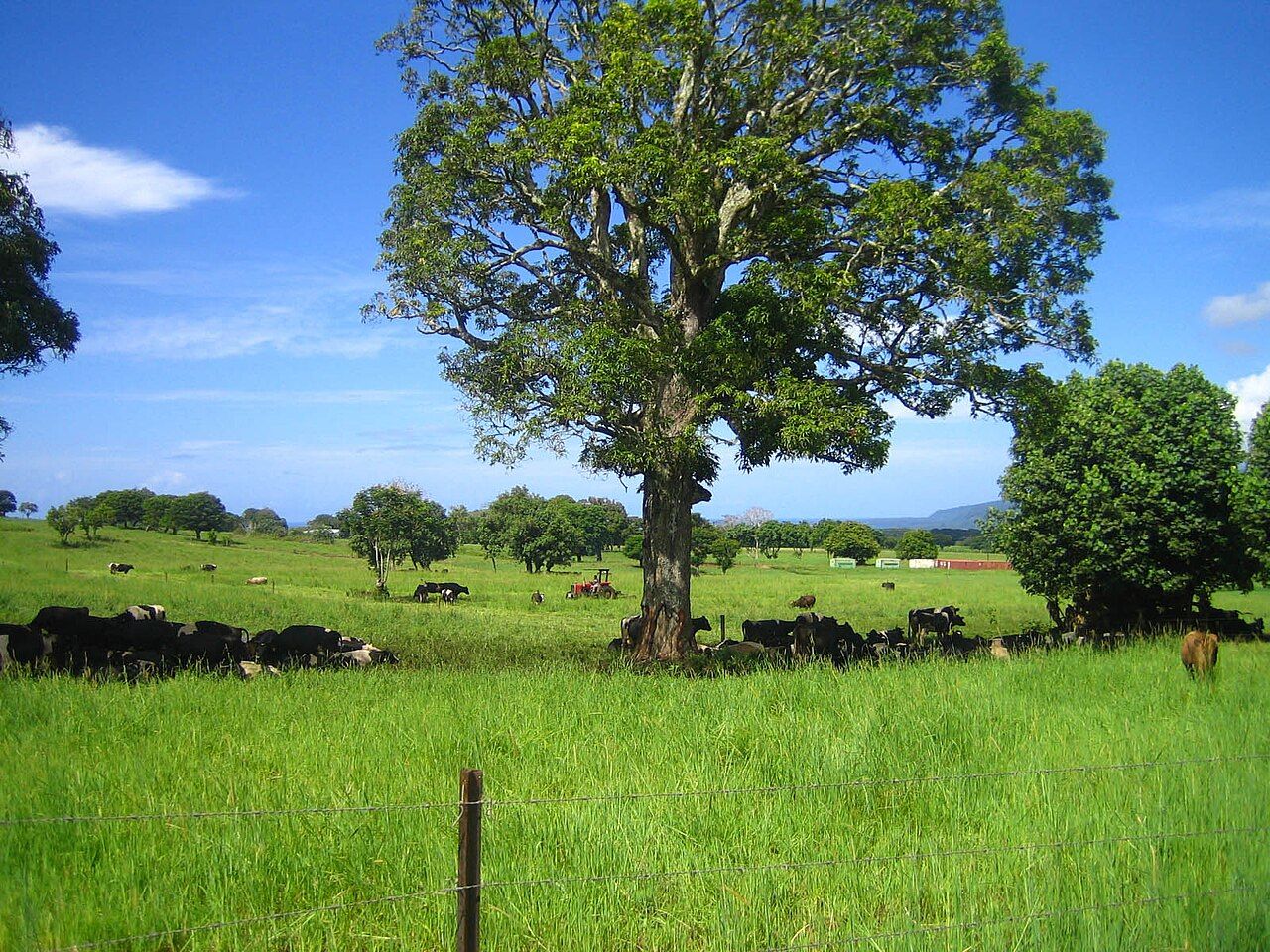
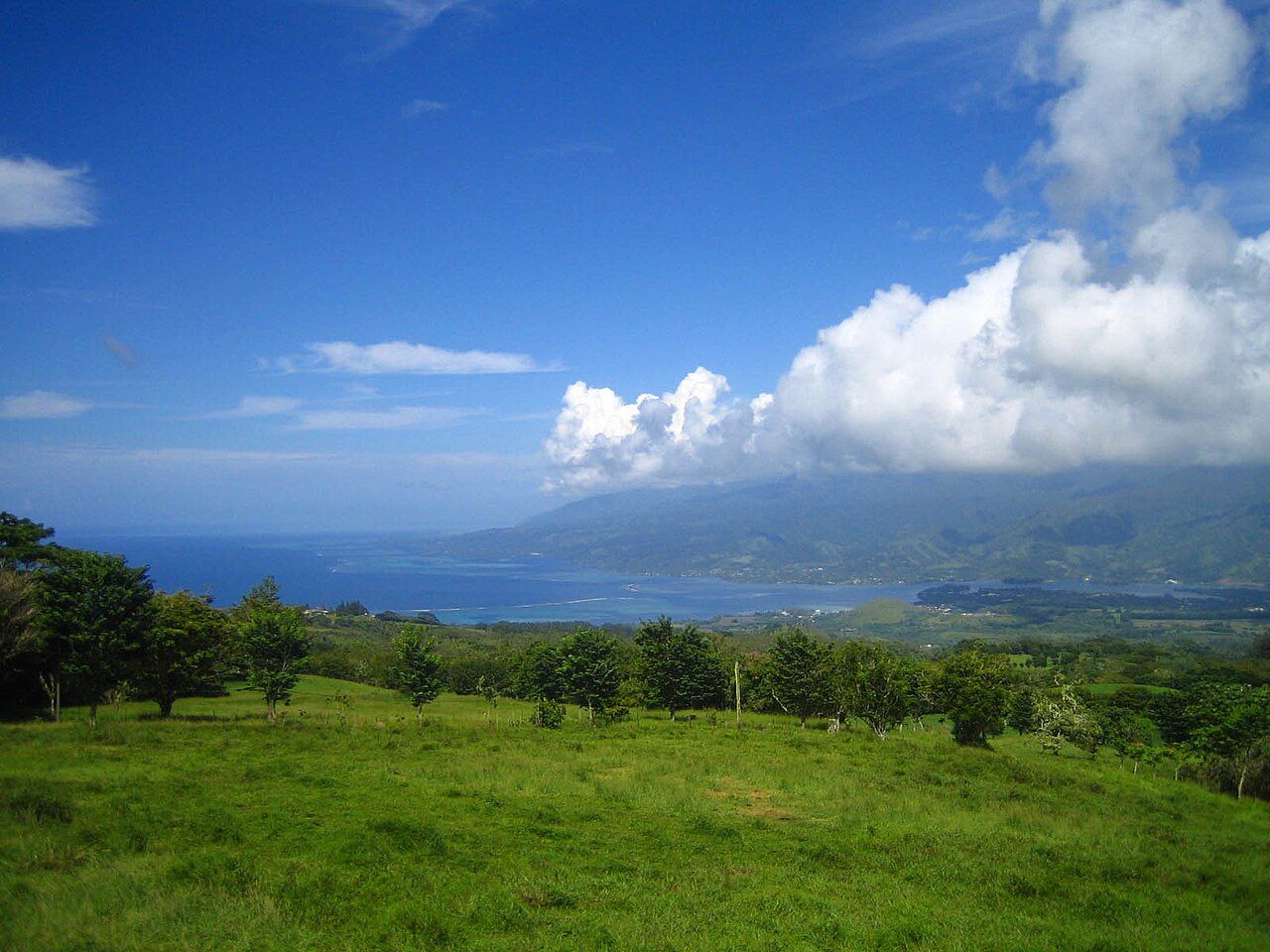
Viewpoints on the plateau look back over the isthmus to Tahiti Nui and down to the lagoon. Go in the morning, when the views are clearest, and take a sweater: on cool, cloudy days, the plateau can feel chilly.
The north coast to Tautira
The north coast road runs past small villages, river mouths and black-sand beaches to Tautira, a village at the end of the road. Beyond it, the coast is roadless. Tautira has a calm, old-fashioned feel, with a church, gardens and houses facing a wide bay.
Along the way, look for fruit stands selling papayas, bananas, limes and coconuts, and for people fishing from the shore. The water off the north coast can be rough when the trade wind blows, so look for sheltered spots before swimming.
The south coast and the road's end
Also on the menuBlack sand, spouting rock and falling water
The south coast road runs west from Taravao through the villages of Vairao and Teahupo'o. The lagoon here is wide and calm, with small bays and views across the water to the reef. Fishermen keep boats by the shore, and gardens are full of breadfruit, mango and coconut trees.
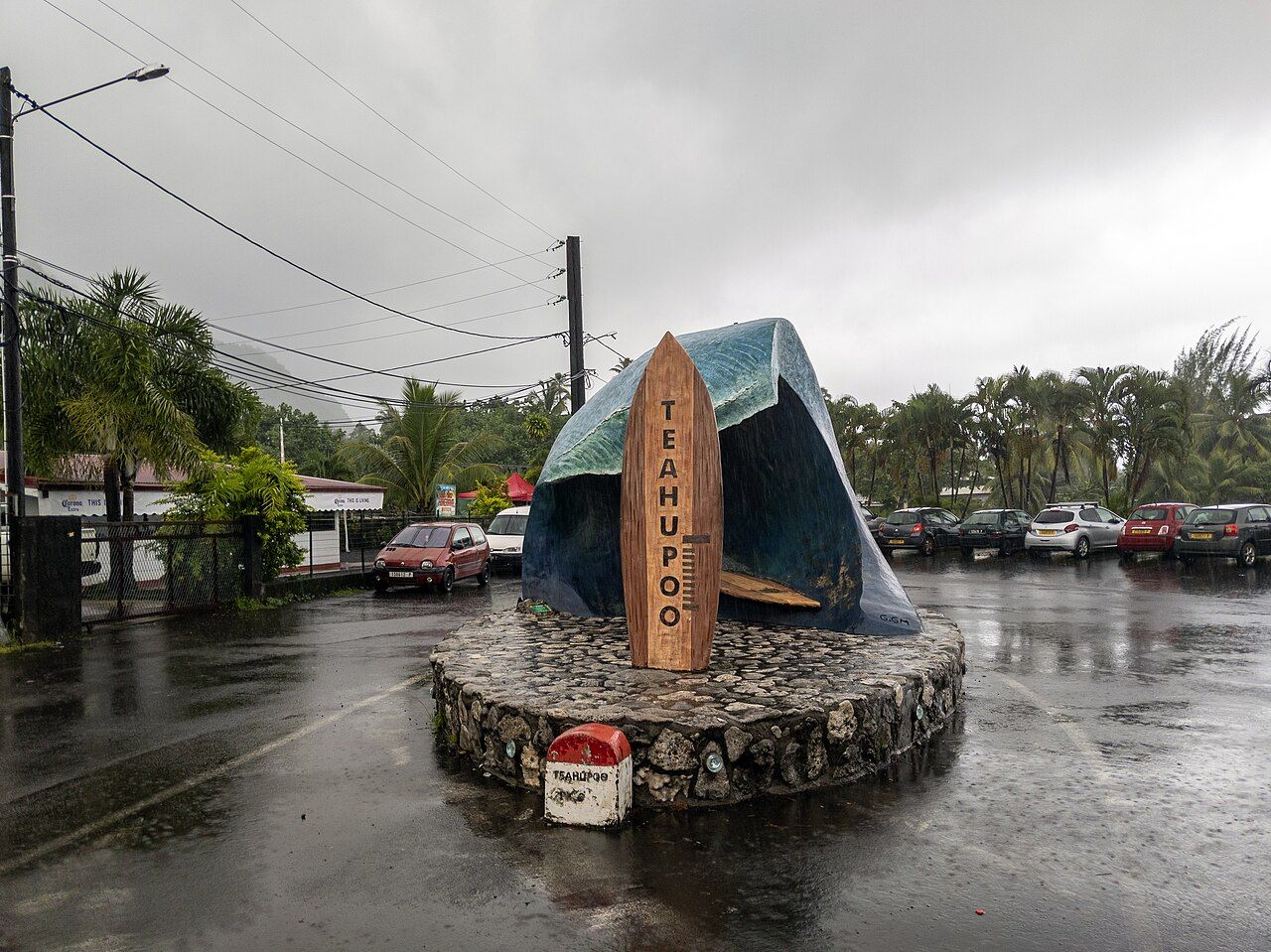
The road ends at Teahupo'o, where a footbridge crosses a river and the cliffs take over. There is a parking area and a carved wave sculpture that marks the village's fame. Beyond the road's end, a footpath continues along the coast for a while, but the shore soon becomes too steep and wild to follow without a guide.
The wave at Teahupo'o
Teahupo'o is known around the world for its surf break, a short, extremely heavy wave that breaks over a shallow reef offshore. In the right swell, the wave curls into a thick, hollow tube that only the most experienced surfers can ride. It hosts international competitions, including the surfing events of the 2024 Olympic Games.
From the shore, you see the wave break in the distance, a line of white water on the reef. To watch it up close, boats go out to the channel beside the break on big days, where you can see the surfers from a safe distance. Conditions, safety rules and availability vary, so ask locally and check before you go. Do not try to swim or paddle out yourself: the reef is shallow and the currents strong.
The biggest swells usually arrive in the southern winter, roughly May to September, though large waves can appear at other times. On small days, the wave may barely break, and the lagoon is calm and still.
Eating on Tahiti Iti
Food on Tahiti Iti is simple. Snack bars in Taravao and the villages serve grilled fish, poisson cru, chicken and rice dishes, often only at lunchtime. Fruit stands appear by the road, and on the plateau you may find farm produce such as fresh vegetables or fruit for sale. Some families sell fish or prepared dishes by the roadside on weekends.
A picnic is often the best plan. Buy bread, cheese, fruit and something cold in Taravao, and eat by a quiet bay on the south coast. If you buy poisson cru, keep it cold and eat it quickly; the guide to poisson cru explains what to look for.
For a fuller sense of Tahitian cooking, the guide to the ahima'a earth oven describes the Sunday family feast, still prepared in many homes on the peninsula.
Getting there and getting around
Taravao is roughly an hour's drive from Papeete, depending on traffic, along the coast road through the east or south of Tahiti Nui. A car is the only practical way to explore the peninsula at your own pace; buses run to Taravao and some villages, but services are limited, so check before you go.
The drive pairs well with a day on Tahiti's east coast, with its blowholes and waterfalls, on the way out or back. Leave early, as the light is best in the morning and the clouds often build over the mountains in the afternoon.