
 1
Every evening, as the light fades over the harbour, food trucks roll onto the waterfront at Place Vaiete in central Papeete. They are called roulottes, the French word for caravans, and they turn an open square by the water into an outdoor dining room. Tables and plastic chairs appear, strings of lights go on, and the smell of grilled meat, garlic and frying dough drifts over the quay.
A night at the roulottes is the easiest way to eat well in Papeete without spending much. The food is simple, generous and quick, and the menus reflect the island's mix of cultures: French bistro classics, Chinese-Tahitian noodles and rice, Polynesian raw fish and fruit desserts. Come hungry, walk round first and choose slowly.
Place Vaiete and the waterfront
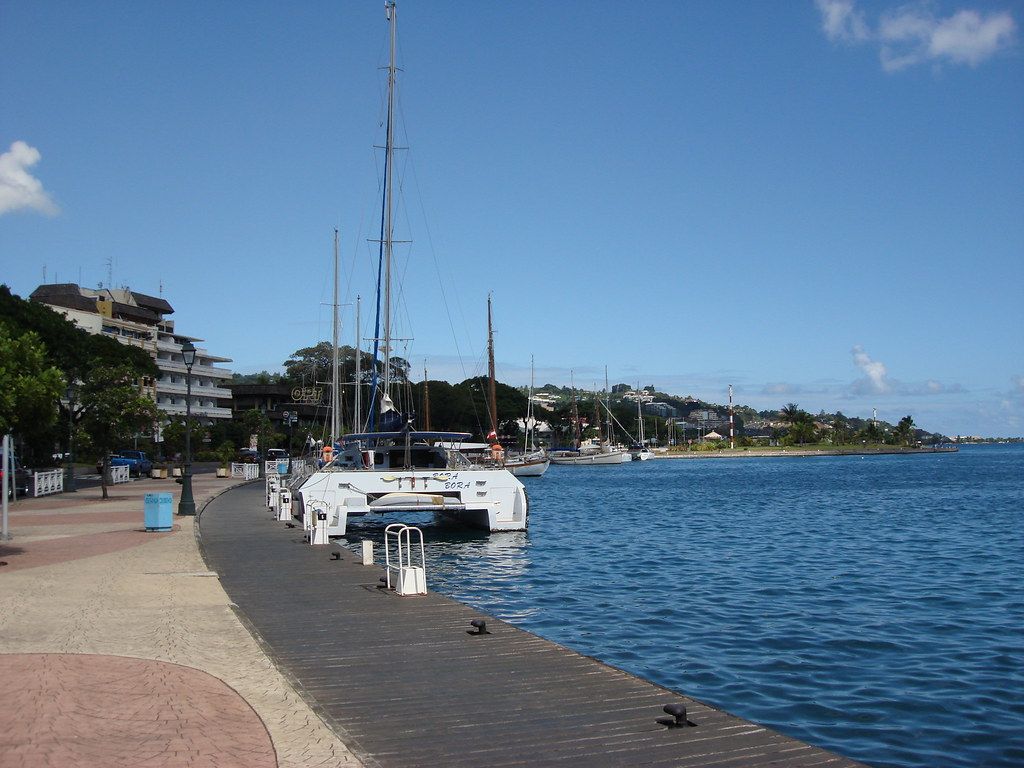
Place Vaiete is a paved square by the port, close to the ferry terminal and a short walk from the market. By day it is a quiet open space where people sit in the shade; by night it becomes the city's busiest dining area. A long boardwalk runs along the harbour beside it, lined with moored yachts and catamarans and with views across the water to Moorea.
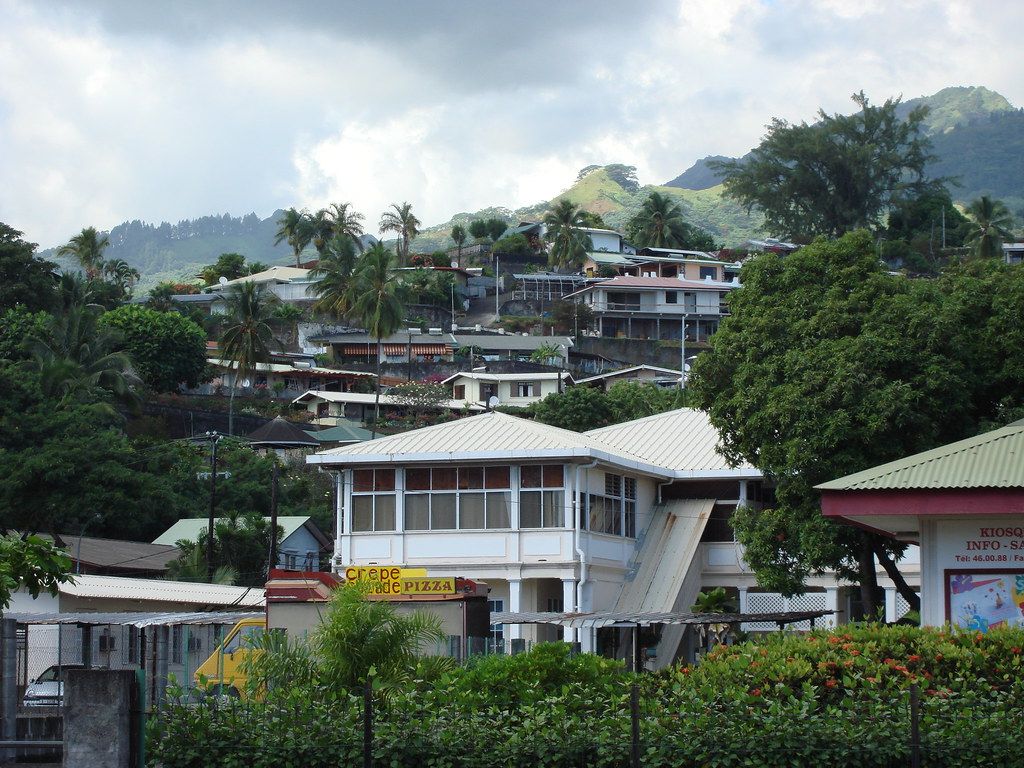
The trucks usually set up around sunset and stay until late in the evening. Numbers vary: on busy nights you may find a dozen or more, on quiet ones only a handful. Weekends, especially Friday and Saturday, tend to be liveliest. Opening nights and hours change, so check before you go.
What is on the menu
Each truck has its specialities, written on a board on the side or the window. You order at the counter, pay and wait for your name or number to be called, then carry your plate to a table. Portions are large, so sharing is common.
Chinese-Tahitian favourites
Chao men, the island's chow mein, is the classic: soft egg noodles fried with pork or chicken, vegetables and soy, served in heaps. Fried rice, sweet-and-sour pork, and maa tinito, a stew of red beans, pork, macaroni and vegetables, are other favourites. These dishes came with the Chinese families who settled in Tahiti from the late nineteenth century onwards; the story of the Chinese-Tahitian kitchen traces their history.
French bistro classics
Steak frites, the French staple of steak and fries, is on many menus, often with a pepper or mushroom sauce. You may also find grilled chicken, burgers, pizzas and croque-monsieur. Lamb or beef skewers with fries are common too.
Polynesian dishes
Poisson cru, raw tuna marinated in lime and coconut milk, is the island's signature dish and is served at many trucks. Some offer a Chinese-style version, with soy, ginger and sesame, instead of coconut. Grilled fish, often mahi-mahi or tuna, comes with rice or fries. The guide to poisson cru explains the versions and what to look for.
Also on the menuPoisson cru, the dish of the islands
Crepes and something sweet
Save room. Several trucks specialise in crepes, thin French pancakes, with fillings such as sugar and lemon, chocolate, banana, coconut or caramel. Waffles, or gaufres, are popular too, and some trucks sell ice cream or fruit desserts. A crepe filled with banana and coconut, eaten on the quay as the lights of the yachts come on, is about as good as a cheap dessert gets.
The French influence extends to the drinks: you can usually order a soft drink, fruit juice or water. Some trucks serve beer; rules on alcohol in public spaces apply, so drink only where it is clearly served and permitted.
How the island's mix ended up on one plate
The roulottes are a small portrait of Tahiti's history. Polynesian food, built on fish, coconut, breadfruit and taro, is the foundation. French rule, from the nineteenth century onwards, brought bread, wine, cheese and steak frites. Chinese workers and traders, who arrived from the late nineteenth century, brought noodles, rice dishes and the art of the small family business. Over generations, these cuisines blended, and today a single family may serve chao men, steak frites and poisson cru from the same window.
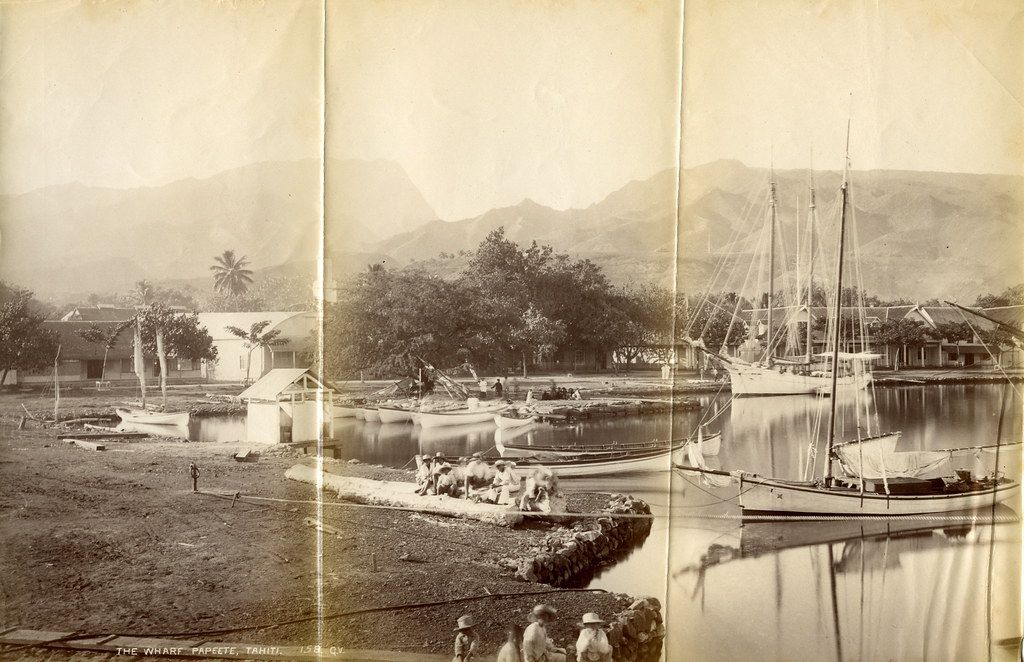
The port itself has been the centre of that exchange for a long time. Old photographs show sailing ships at a simple wharf, with the mountains rising behind the town, and the same mountains still frame the harbour today. The ships brought new people and new foods, and the waterfront became the place where they met.
The roulottes are a small portrait of Tahiti's history.
Practical tips for a night at the roulottes
Bring cash, since not every truck takes cards. Prices are lower than in restaurants but still high by many standards; check before you go and expect the cost of a meal to vary between trucks. Portions are generous, so start with one dish and order more if you are still hungry.
Choose trucks that are busy with local customers, where the food turns over quickly. Raw fish dishes should be cold and freshly made; if in doubt, choose something cooked. Wash your hands or carry wipes, since there may be no sink nearby, and drink bottled water if you are unsure about the supply.
- Walk the whole square before you order.
- Share plates and try more than one truck.
- Keep an eye on your belongings in the evening crowd.
- Carry insect repellent for the warmest, stillest nights.
Timing matters more than you might think. Arrive just after sunset and you catch the trucks as they open, with short queues and a choice of tables. By eight o'clock on a busy night the square fills up, the queues lengthen and the best tables by the water are taken. Come later still and some trucks may have run out of their most popular dishes. If you are with children or simply hungry early, the first hour is the easiest. If you prefer the noise and bustle of a full square, come a little later and be patient: the cooks work fast, and the wait is part of the evening. Rain can thin out the crowd, and on wet nights some trucks may not appear at all.
The square is generally relaxed and family-friendly in the evening, with people of all ages eating together. As always in a city at night, keep valuables close and stick to well-lit areas when walking back to your accommodation.
Before and after
A night at the roulottes pairs well with a morning at the municipal market, a few minutes' walk away, where you can see the fish, fruit and vegetables that end up on the trucks' menus. If you arrive early, walk along the boardwalk at sunset and watch the light change over Moorea. After dinner, the waterfront is pleasant for a slow stroll before the evening cools.
If you are catching an early ferry the next morning, the terminal is right beside the square. The guide to ferries and costs explains how the crossings to Moorea work.