
 1
Long before metal pots arrived in the islands, Polynesians cooked feasts underground. The ahima'a (also spelled ahimaa) is a pit oven: a hole dug in the earth, lined and heated with stones, packed with food wrapped in leaves, then covered over to steam and roast for hours. The method is shared across the Pacific under many names, and in French Polynesia it remains the heart of celebration food and the Sunday family meal.
The word tama'a means "to eat" or "a meal" in Tahitian, and a Sunday tama'a is the long, slow lunch that follows church in many homes. When an ahima'a is opened, the whole family gathers round.
How the oven works
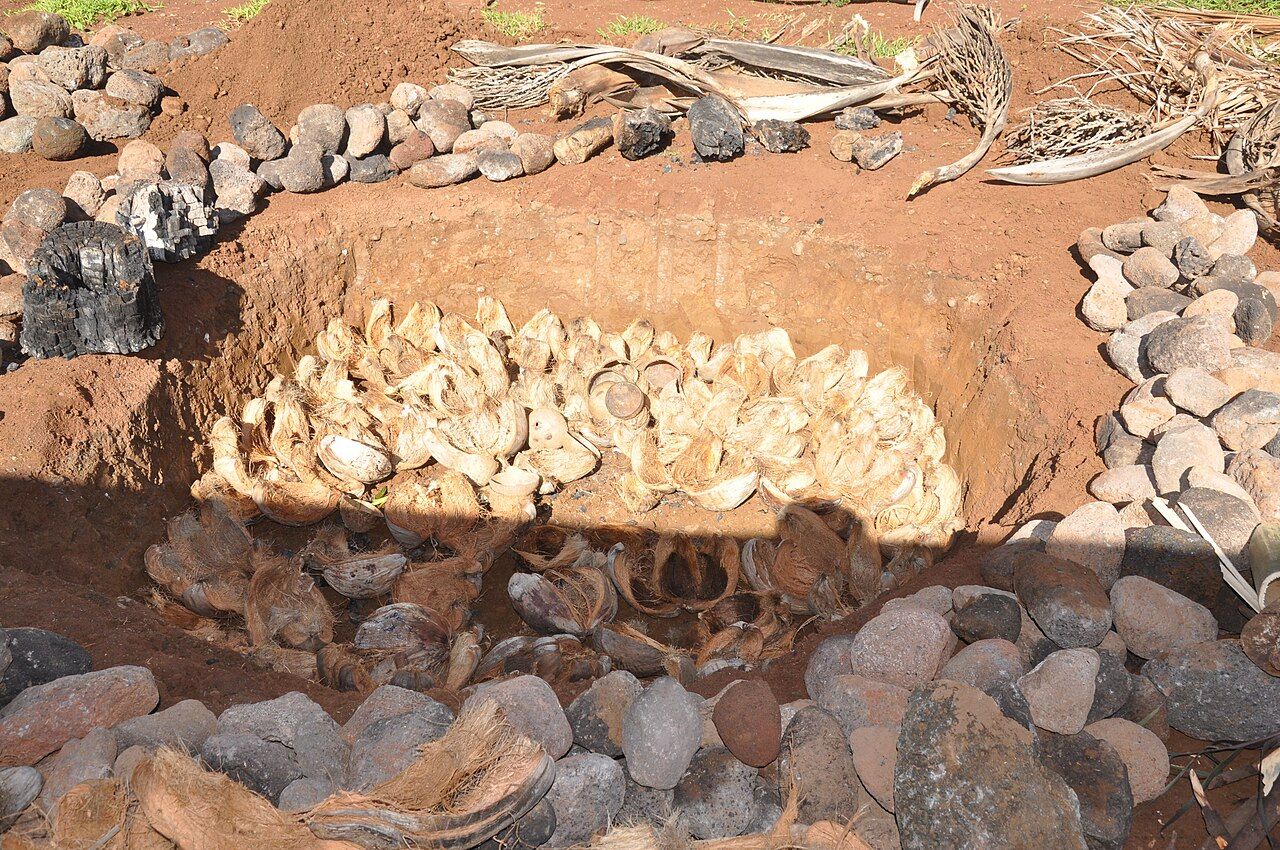
The work starts early, often before dawn. A pit is dug, sometimes reusing the same spot for years. Wood and dry coconut husks are piled in and lit, and volcanic stones are laid on top. As the fire burns down, the stones become extremely hot.
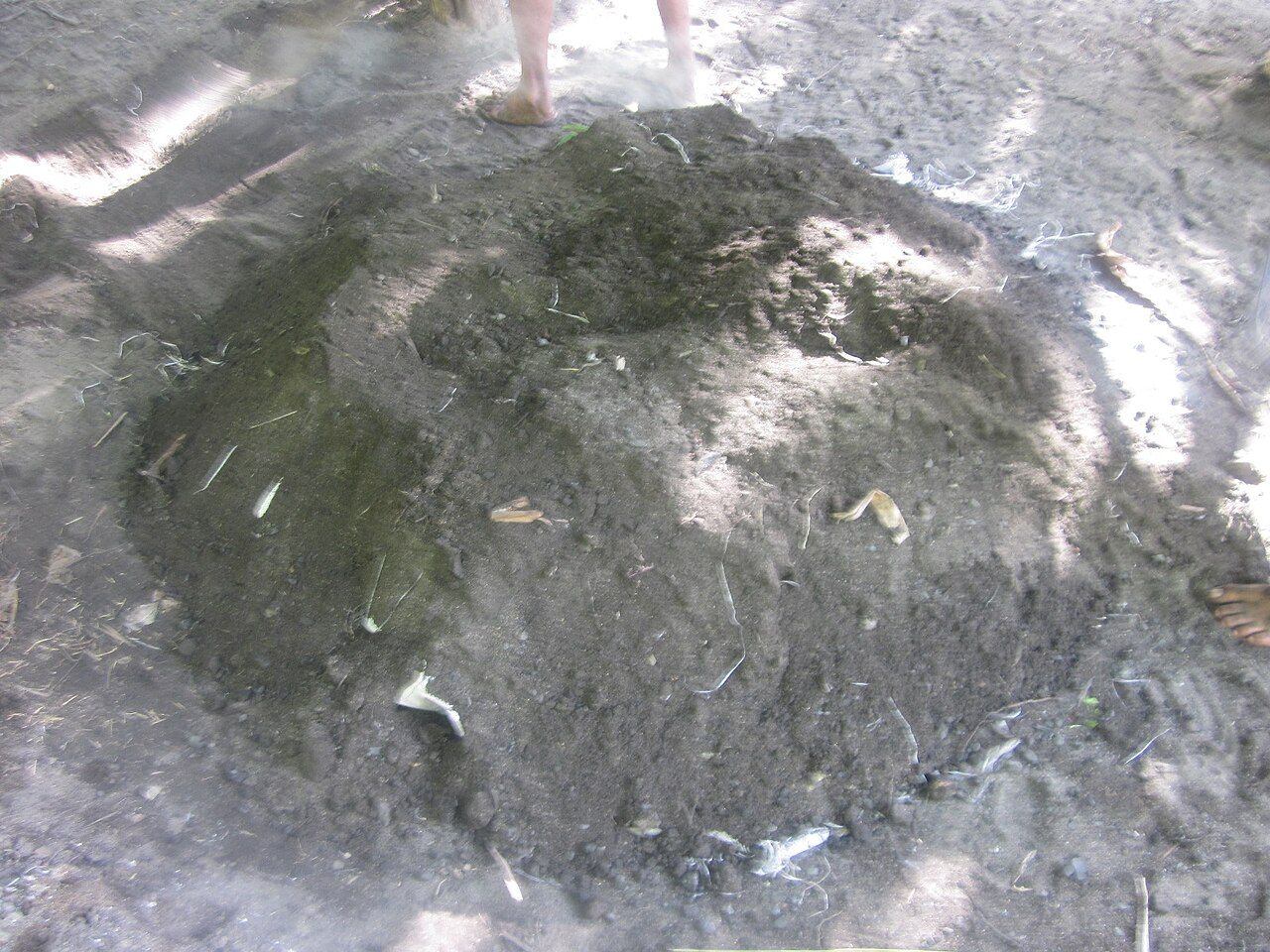
When the stones are ready, the embers are levelled, and the stones are covered with green banana stems and leaves to create steam and protect the food. Then the parcels go in: whole pig, chicken, fish, breadfruit, taro, bananas, all carefully wrapped in leaves. Larger items go at the bottom, more delicate ones on top. Everything is covered with more leaves, then with sacking or cloths, and finally with earth to seal in the heat.
The oven is left to cook for several hours. Nothing is hurried. When it is opened, the earth is scraped away, the cloths are lifted, and steam rises with the smell of smoke, roasted pork and sweet leaves.
When it is opened, the earth is scraped away, the cloths are lifted, and steam rises with the smell of smoke, roasted pork and sweet leaves.
What comes out of the ground
Pork
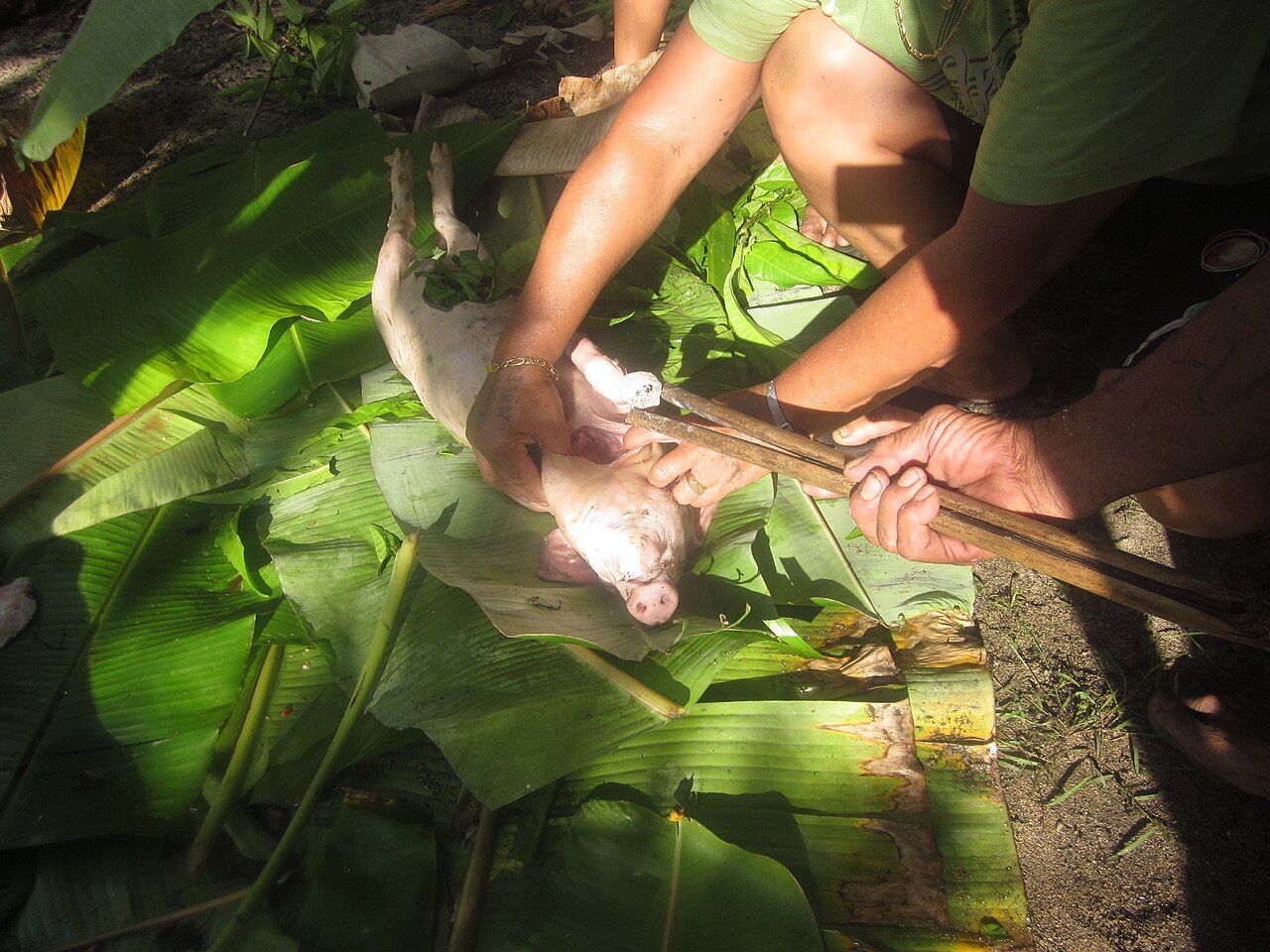
A whole young pig is the centrepiece of a big ahima'a. Hot stones are sometimes placed inside the cleaned animal so it cooks from within as well as from the outside. The result is meat that is tender, smoky and moist, with a soft, slightly crisp skin.
Breadfruit, taro and fe'i
Starches are the backbone of the meal. Uru (breadfruit) comes out with a blackened skin and soft, fragrant flesh, somewhere between bread and potato. Taro roots, dense and slightly nutty, are peeled and sliced. Fe'i, the orange-fleshed mountain plantain, turns sweet and sticky. Sweet potatoes and bananas often join them. You will find more on these crops in the fruit-stand guide.
Fafa and chicken
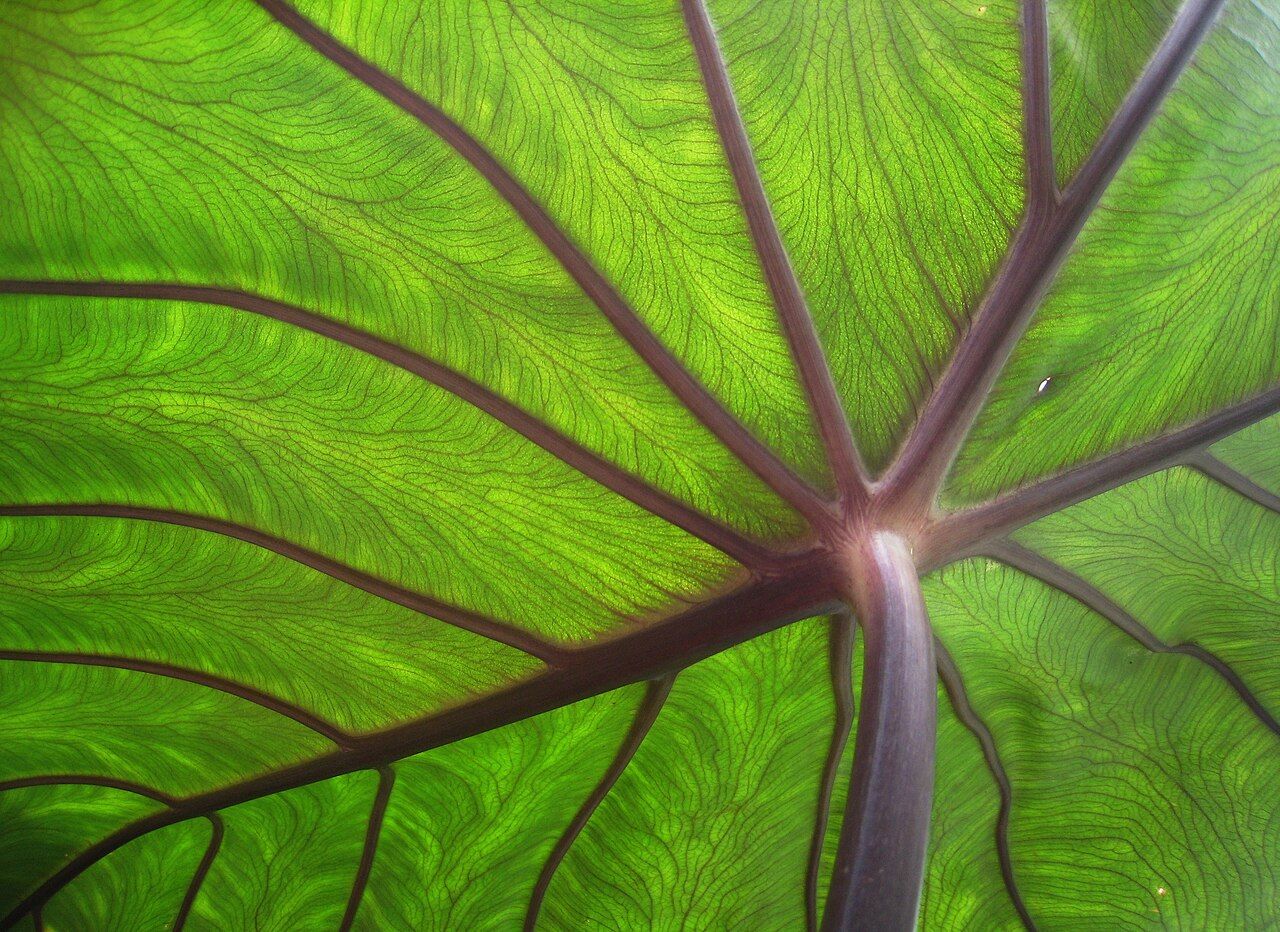
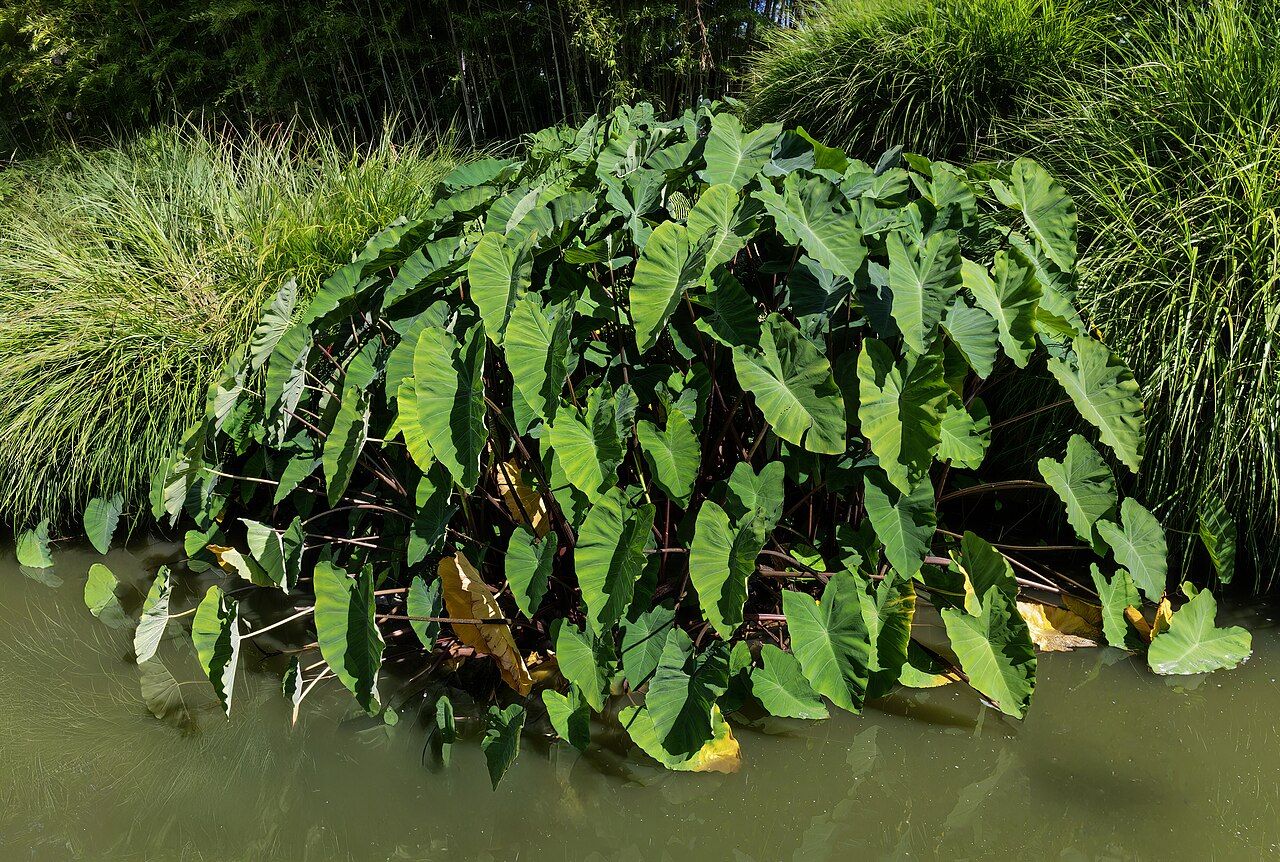
Fafa are the young leaves of the taro plant. They must always be cooked well, as raw taro leaves irritate the mouth and throat. In the oven, or in a pot alongside it, they are cooked with chicken or pork and coconut milk into a dark green, silky stew that tastes a little like spinach. Fafa chicken is one of the classic dishes of the islands.
Po'e
Po'e is a dense, glossy pudding made from fruit such as banana, papaya, pumpkin or taro, mixed with starch, wrapped and baked until firm, then served in pieces with coconut milk poured over. It is sweet but not cloying, and it often closes the meal.
Also on the menuPoisson cru, the dish of the islands
Fafaru and other sauces
No account of the Sunday table would be honest without fafaru. It is raw fish marinated in a liquid made by leaving fish or shellfish to ferment in seawater for several days. The liquid smells very strong, and the smell is what most visitors notice first. The fish itself, after soaking, has a powerful, salty, deeply savoury flavour. Many Tahitians love it; many visitors find it a challenge. If it is offered, try a small piece with rice or breadfruit, and judge for yourself.
Gentler sauces appear too. Miti ha'ari is coconut milk, sometimes salted or soured. Miti hue is a fermented coconut sauce, tangy and rich. These are poured over starches, fish and greens to tie the meal together.
Alongside the oven dishes you will nearly always find poisson cru, raw tuna in lime and coconut milk, and often Chinese-Tahitian dishes such as chow mein, a sign of how the Chinese-Tahitian kitchen has joined the family table.
Eating with your hands
At a traditional tama'a, food is laid out on banana leaves on a long table or on mats, and people eat with their fingers. Coconut milk is served in bowls for dipping. The meal is relaxed and long, with conversation, music and a nap afterwards for some.
If you are lucky enough to be invited to a family meal, a few simple points help:
- Wash your hands before you eat, and use your right hand for taking food when you can.
- Wait until your hosts invite you to start.
- Try a little of everything, even if you go easy on the fafaru.
- Offer to help clear up, and say thank you, "mauruuru", at the end.
- Bringing something for the table, such as fruit or a dessert, is usually welcome.
Finding earth-oven food as a visitor
An ahima'a takes a great deal of labour, so it is mostly made for family occasions, church gatherings and festivals. The Heiva season in July, the islands' great festival of dance, song and sport, is a time when traditional cooking and feasting are especially visible. Village celebrations and community events throughout the year also feature earth-oven food.
On Sunday mornings, markets on Tahiti and the larger islands often sell dishes from the oven, wrapped in leaves or packed in trays: pork, breadfruit, taro, fafa and po'e. In Papeete, the municipal market is lively early on Sunday, and stalls sell ma'a Tahiti, "Tahitian food", until it runs out. Arrive early; by late morning the best is gone, and many stalls close for the rest of the day.
Why it still matters
The earth oven is more than a cooking method. It brings families together, marks celebrations, and keeps alive knowledge of crops, stones, leaves and timing that has passed from generation to generation. When you eat food from an ahima'a, you are tasting the islands' oldest kitchen, and one that still works perfectly well.
Taste it once with patience and an open mind. Sit, eat with your hands, and let the long afternoon unfold.
Before you go
Earth-oven food is cooked in large batches and often eaten over several hours in warm weather. As with any feast, eat pork and fish while they are still hot or properly chilled, and go easy on anything that has sat in the sun. Taro and taro leaves must be thoroughly cooked; if a dish of greens makes your mouth tingle, stop eating it. If you buy from a Sunday market stall, carry the parcels home in a cool bag and eat them the same day. Ask the seller what is inside each leaf bundle, since pork, fish and po'e can look much the same once wrapped, and most sellers are happy to explain their food to curious visitors.