
 1
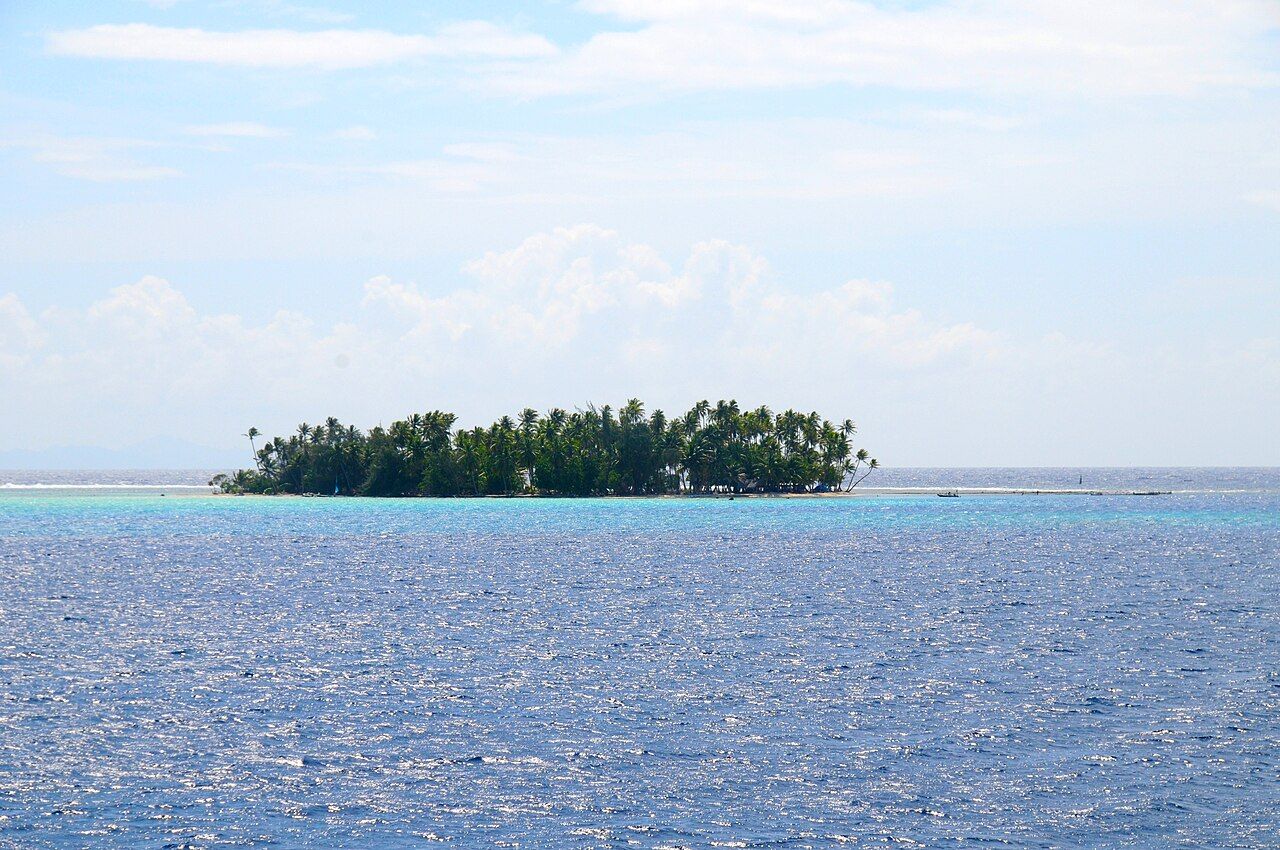
Taha'a sits inside the same coral reef as Raiatea, a short boat ride north across one shared lagoon. It is smaller, steeper and quieter than its neighbour, with a single road that loops around deep bays and through villages where most houses have a garden of fruit trees and a shaded plot of climbing vines. Those vines are the reason the island is known across French Polynesia: Taha'a grows a large share of the territory's vanilla, and the scent of curing pods drifts out of sheds along the coast road.
There is no airport here. You reach Taha'a by boat from Raiatea, which has the nearest airfield and the main town, Uturoa. Shuttle boats cross the lagoon to several landings on Taha'a, and the crossing itself is part of the pleasure, with motu (low coral islets) on one side and the green bulk of the island ahead.
How vanilla grows on Taha'a
Vanilla is an orchid. The vines climb a support, often a small tree or a post, and are looped back down so the flowers stay within reach. The variety grown here, Tahitian vanilla, produces pods that are fatter and juicier than most, with a scent that leans floral and slightly anise-like rather than the deep, smoky note of beans from elsewhere.
The flowers have no natural pollinator in the islands, so every one is pollinated by hand. Each blossom opens for only a short time, usually a single morning, and growers walk the rows with a thin sliver of bamboo or a toothpick, lifting the small flap that separates the male and female parts and pressing them together. It is patient, precise work, done flower by flower in the flowering season.
A pollinated flower becomes a green pod that hangs on the vine for many months. When the tip starts to turn yellow, the pod is picked. At that point it smells of almost nothing. The flavour you know comes later, in the curing.
From green pod to black vanilla
Curing is where a grower's skill shows. In general, the green pods are left to rest, then spread out in the sun during the day and gathered up and wrapped at night so they sweat. Over weeks this cycle slowly darkens them and develops the aromatic compounds. Later the pods are dried more gently in the shade, sorted by size and quality, and massaged or straightened by hand. The whole process takes months.
A well-cured Tahitian pod is dark brown to almost black, supple, oily to the touch and so fragrant that a handful in a closed car fills it within minutes. You may see frosting of tiny crystals on the best pods. Avoid pods that are dry, brittle or that smell faintly of mould.
A well-cured Tahitian pod is dark brown to almost black, supple, oily to the touch and so fragrant that a handful in a closed car fills it within minutes.
Buying and keeping pods
- Buy from the people who grow and cure it: small producers sell from their homes and from roadside tables, often with a hand-lettered sign.
- Press the pod gently. It should bend without cracking and feel slightly tacky.
- Keep pods in an airtight glass jar or wrapped tightly, somewhere cool and dark. Do not refrigerate them; that dries them out.
- Prices are high everywhere in French Polynesia and vanilla is labour-heavy, so expect to pay well. Amounts change, so check before you go.
- If you are flying home, check your own country's rules on bringing plant products in.
Cooking with Tahitian vanilla
Because the pods are so moist, a little goes a long way. Split one lengthways with a small knife and scrape out the seeds with the back of the blade. Use the seeds in custards, rice pudding or a simple syrup for fruit, and drop the empty pod into a jar of sugar for a week. On the islands the pairing that comes up again and again is vanilla with coconut: a sauce of coconut milk warmed with a split pod, poured over fish or prawns, is a dish you see across the Society Islands. The sweetness of the vanilla and the richness of the coconut meet the clean taste of lagoon fish without covering it.
Vanilla also finds its way into po'e, the dense, glossy pudding made from fruit such as banana, papaya or pumpkin bound with starch and baked, then served with coconut milk. It is a feast dish, often made for the Sunday meal described in the guide to the ahima'a earth oven. And on the breakfast table, a slice of ripe papaya with a few vanilla seeds and a squeeze of lime is worth trying once.
Also on the menuRaiatea and the marae of Taputapuatea
Pearls, motu and the shared lagoon
The lagoon around Taha'a and Raiatea is also used for pearl farming. Black-lipped oysters are raised on lines in the lagoon, and a small bead is placed inside each one by a skilled grafter so that the oyster builds layers of nacre around it over a long period. The result is the dark Tahitian pearl, in shades from grey and silver to green, aubergine and peacock. Some farms welcome visitors to see the work; if you go, ask before photographing and treat it as someone's workplace. If you buy, ask how the pearl was graded and what its surface, shape and lustre are like, and take your time.
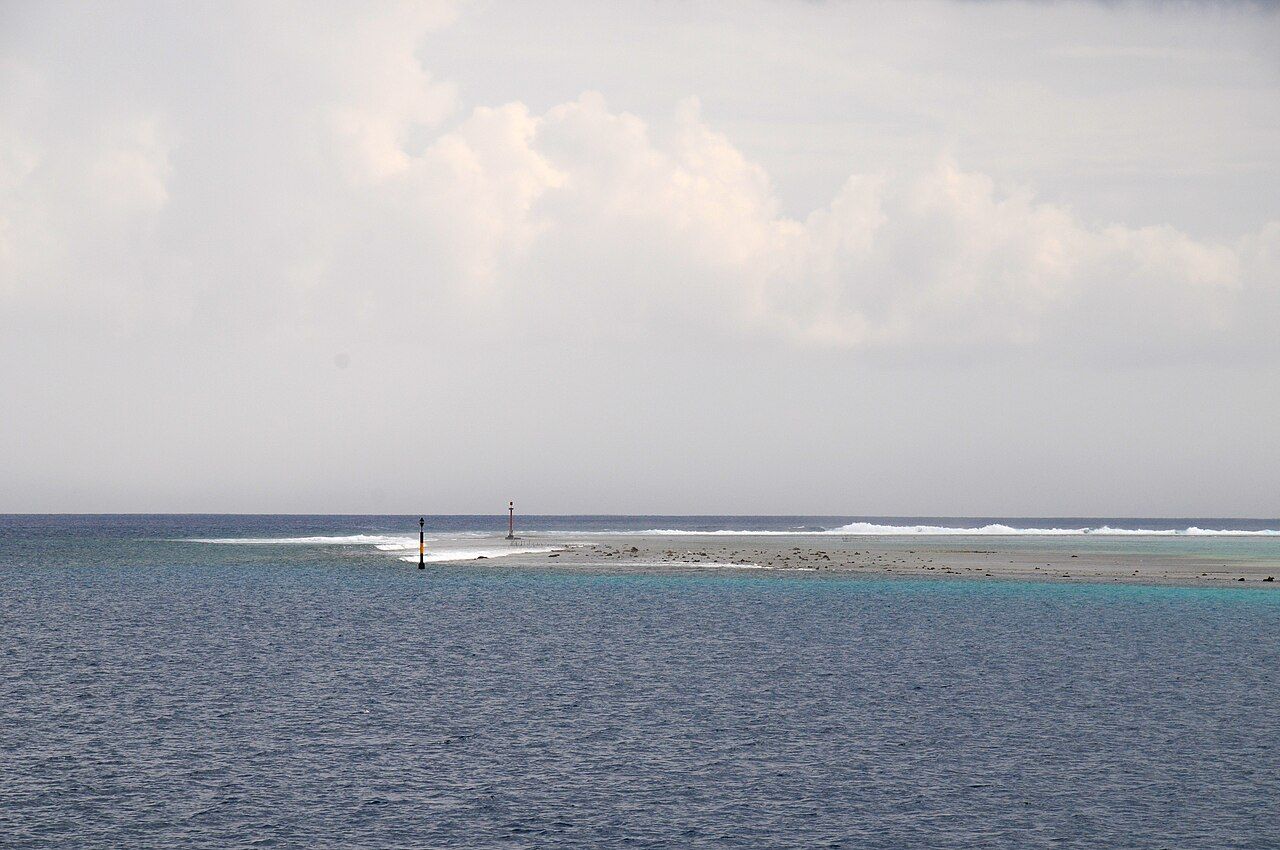
The west side of Taha'a is lined with motu on the barrier reef, with views across to Bora Bora on clear evenings. Between some of these islets, water flows from the ocean into the lagoon over shallow coral, and snorkelling in that current is one of the best things to do on the island. Go with someone who knows the spot, keep your fins off the coral, and do not stand on it. Wear a reef-safe sunscreen or, better, a long-sleeved rash top.
A slow day on the island
- Start early on the coast road, when the light is soft and the bays are glassy.
- Stop at a vanilla grower's table in a village and ask to smell the pods at different stages.
- Have lunch of grilled fish or poisson cru at a simple snack by the water.
- Spend the afternoon on a motu or snorkelling the shallow currents, then watch the sun go down toward Bora Bora.
Practical notes
Taha'a has few shops and they close early, especially at weekends, so carry snacks, water and cash; card machines are not universal. The road is narrow in places and there is little traffic, which makes cycling pleasant if you start before the heat. Accommodation is limited and spread out, so most people arrange a stay before arriving. Boats between Raiatea and Taha'a run to a schedule that changes, so confirm crossing times locally.
The weather follows the rest of the Society Islands: drier and slightly cooler from about May to October, wetter and more humid from November to April. Vanilla flowers, and the hand pollination you might glimpse, tend to appear in the cooler months, while curing goes on through much of the year.
If you are planning a wider loop, Taha'a pairs naturally with Huahine, the other quiet island of the group, and with a few days on Bora Bora beyond the resorts. For the dish you are most likely to eat at lunch here, read the guide to poisson cru.