
 1
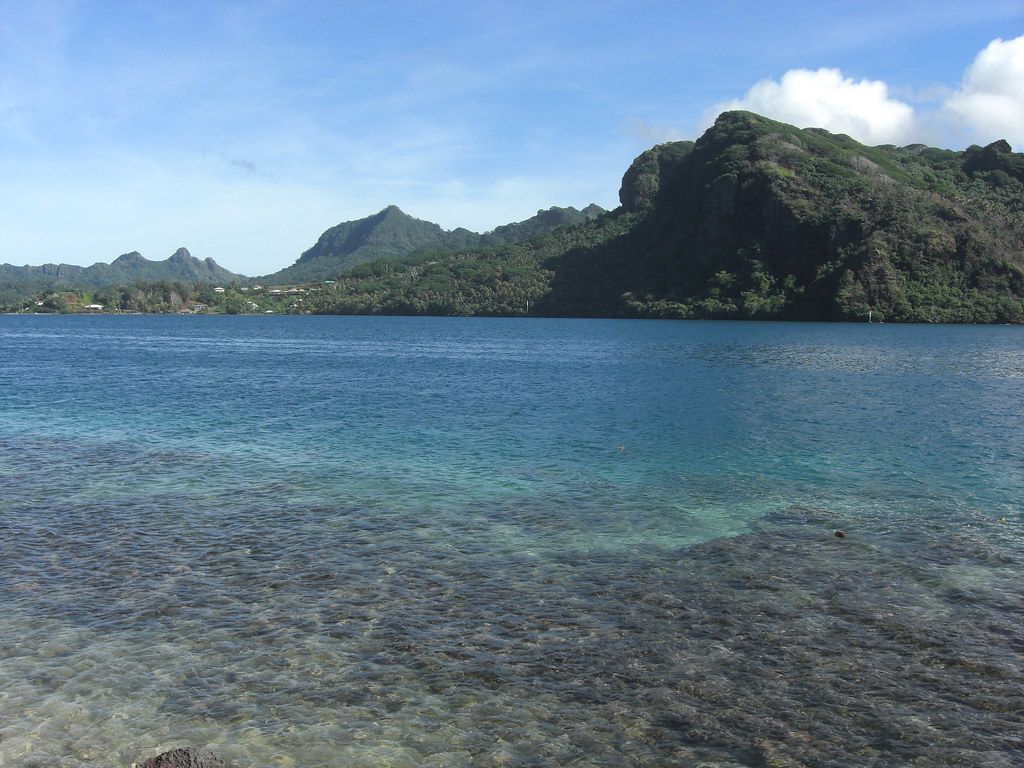
Huahine is really two islands, Huahine Nui to the north and Huahine Iti to the south, held together by a short bridge across a narrow channel and wrapped in one reef. It is greener and more lightly visited than its famous neighbours, with deep bays, small villages and a main town, Fare, that is little more than a waterfront street. People come here for the quiet, for some of the most important archaeological sites in the Society Islands, and for a lagoon that rarely feels busy.
Arriving and getting around
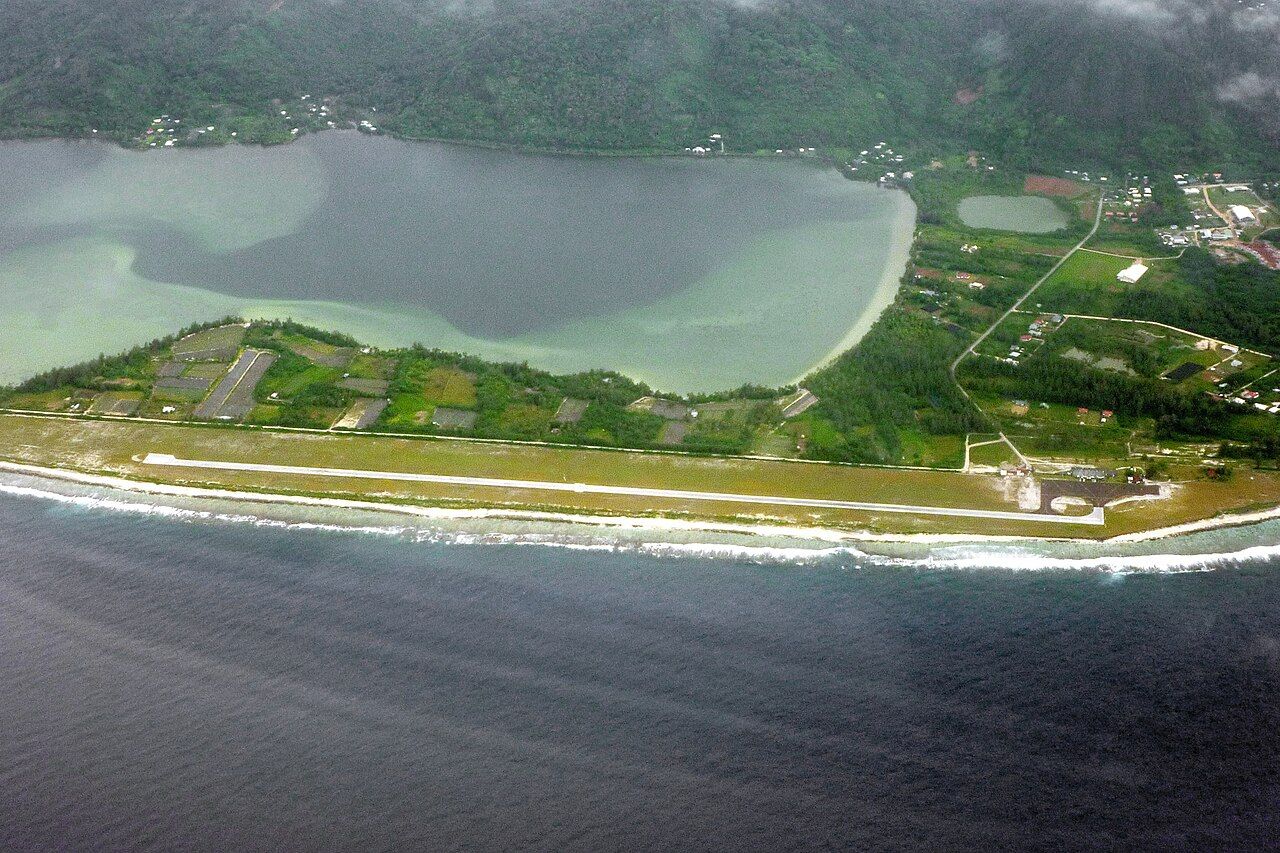
The airport sits on the north coast, on a flat strip near the lake, a short drive from Fare. Inter-island boats also call at Fare's wharf. Once here, the best ways to get around are by rented car, scooter or bicycle. The road around both islands is long enough to fill a full day by car with stops, and much more by bike, but the traffic is light and the scenery changes at every bay.
Shops are few and close early, especially on weekends. Carry water, cash and something to eat whenever you leave Fare.
Maeva: marae by the lake
On the shore of the lake near the village of Maeva, and on the slopes of the hill above it, stands one of the densest groups of marae in French Polynesia. These sacred sites, stone-paved courts with raised platforms, were built by the chiefly families who once lived together here. Some stand right beside the road and the water; others are reached by a walking path that climbs through forest, past further platforms and old house sites. A rebuilt traditional meeting house on stilts by the lake gives a sense of how buildings once looked.
Treat every marae as a sacred place. Keep off the stone platforms and paved courts, walk around rather than across them, and leave stones exactly where they lie. The hill path can be slippery after rain, so wear shoes with grip.
The stone fish traps
In the shallow channel where the lake meets the lagoon, you can see long V-shaped walls of piled stones in the water. These are fish traps, built centuries ago and still used. Fish swimming with the tide are guided by the walls into an enclosure at the narrow end, where they can be caught by hand or with a net. They are a working part of village life, not a museum piece, so look from the bridge or the shore and do not walk on the walls.
Also on the menuRaiatea and the marae of Taputapuatea
The blue-eyed eels of Faie
In the village of Faie, on the east side of Huahine Nui, a small river holds large freshwater eels with pale, startlingly blue eyes. They are traditionally regarded as sacred, and they gather in the clear water below a little bridge. You can watch them from above as they move slowly between the stones. Do not feed or touch them; human food is bad for them and handling stresses them. Just look, and let the village keep its own relationship with the animals.
From Faie, a steep road climbs over a ridge toward Maeva, with wide views over the lake and the reef. It is a hard push on a bicycle in the heat, and a lovely short drive.
Eating well on Huahine
The food here is simple and good. Fishermen land their catch for sale along Fare's waterfront in the morning, and snack bars serve plates of grilled fish, poisson cru, chow mein and rice. Small stands along the road sell bananas, papayas, pamplemousse, coconuts and, in season, mangoes; the fruit-stand guide explains how to choose them. Bring a bag and some coins for these stands, which often run on trust or a quick word with whoever is in the garden.
Huahine is also known for its vanilla and its watermelon, grown on the flat coastal land and on motu. If you come across homemade po'e, the baked fruit pudding served with coconut milk, buy a portion. For the dish you will see on every menu, see the guide to poisson cru, and remember that raw fish should be bought fresh and eaten soon.
Picnic ideas
- A baguette and a tub of poisson cru from the morning, eaten on a quiet beach by noon.
- Fruit from a roadside stand, with a knife to open it.
- A cold drinking coconut, opened by the seller.
Lagoon and beaches
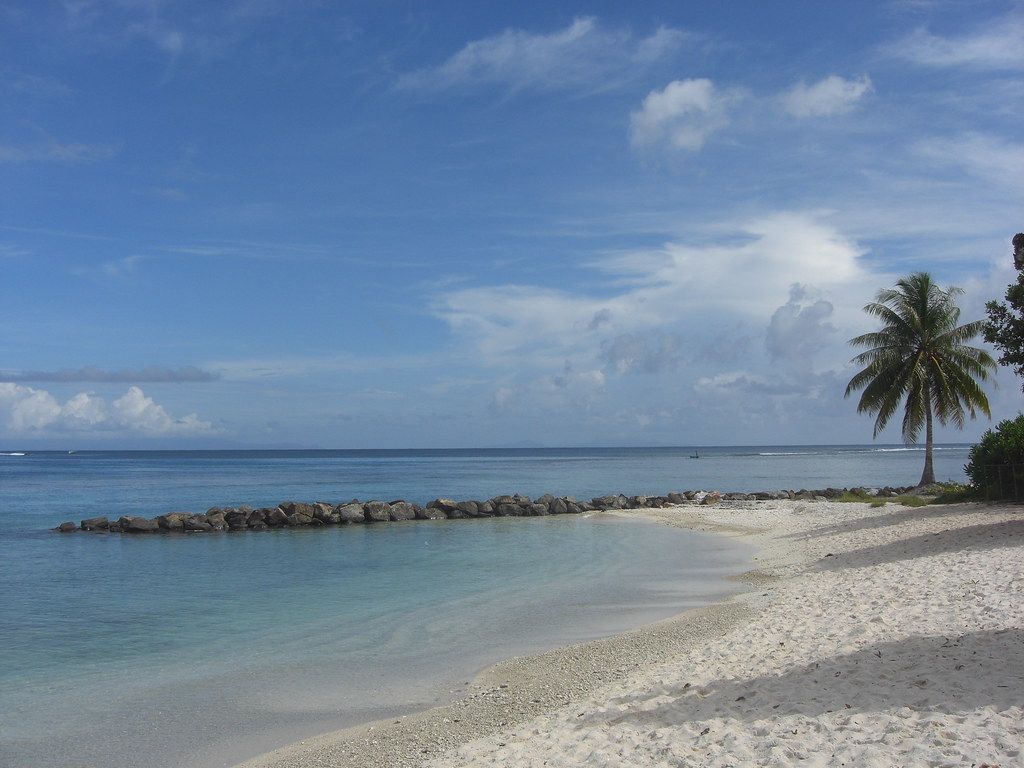
Huahine Iti has some of the island's best white sand, and the lagoon off the southwest coast is calm and clear. Snorkel from the shore where the water is sheltered and not over a channel, and watch for currents near passes in the reef. Keep fins off the coral, do not stand on it, and give any rays or reef sharks plenty of space. The reef here is part of what feeds the island, so treat it with care.
When to go and how long to stay
From about May to October the weather is drier and the trade winds keep things fresh. November to April is hotter and wetter, with heavy showers that fill the rivers and turn hill paths to mud. Three or four days give you time to see Maeva, cycle part of the coast and spend lazy hours on the lagoon. Huahine fits neatly into a loop with Taha'a and Raiatea, and the guide to ferries, flights and costs covers getting between them. Schedules change with the seasons, so confirm them locally.