
 1
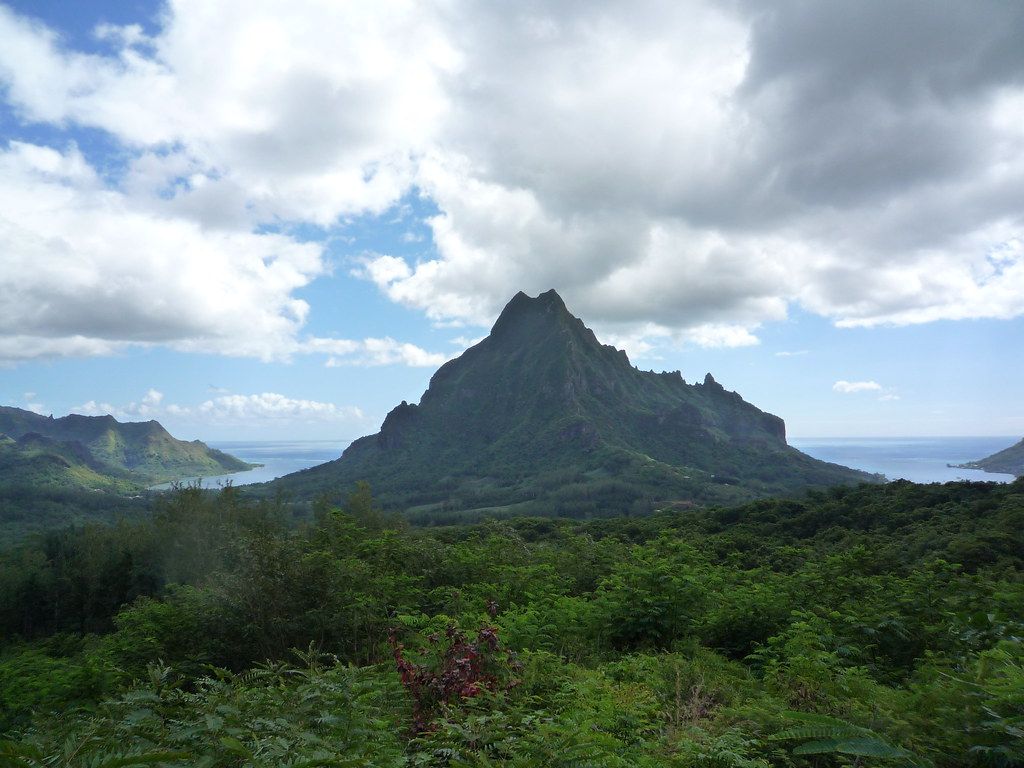
From the lagoon, Moorea's interior looks like a wall of green spires. Up close, it is a tangle of ridges and valleys, covered in forest and fern, with paths that climb through it to viewpoints, passes and waterfalls. The walking is short by mountain standards, measured in hours rather than days, but the heat, humidity and mud make every kilometre count.
A few rules apply to every hike here. Start early, when the air is cooler and the views are clearer. Carry twice the water you expect to drink; the climb is humid and there are no taps. Wear shoes with real grip, because the red earth turns slick in rain. And check the weather the evening before, since a day of heavy rain can make some trails unsafe.
Magic Mountain above Papetoai
Magic Mountain is a viewpoint on a hill above the northwest coast, not far from the village of Papetoai. A steep, partly concrete track leads up from the coast road to a small summit platform. From the top, you look down over the northwest lagoon, its motu and the reef, with Opunohu Bay and Mount Rotui to one side and the jagged peaks of the interior behind.
The track crosses private land and access arrangements change, so ask locally before you go and respect any gates or signs. The climb is short but very steep and exposed to the sun. Go early in the morning, wear a hat and carry water. The view is wide and open, and on clear days you can make out Tahiti on the horizon.
The Three Coconuts pass
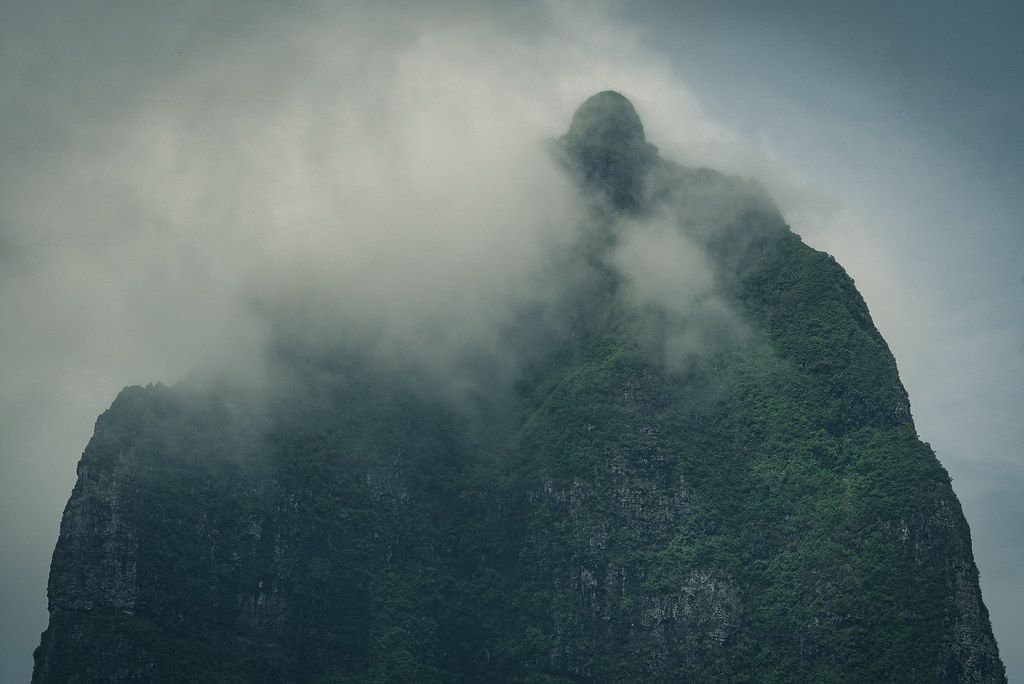
The trail to the Three Coconuts pass, sometimes known by its French name, the Col des Trois Cocotiers, starts in the upper Opunohu valley near the Belvedere lookout. It climbs through forest of Tahitian chestnut, bamboo and fern to a grassy ridge between the valley and the south side of the island. The coconut palms that gave the pass its name are long gone, but the views over the island's high peaks and down to the lagoon remain.
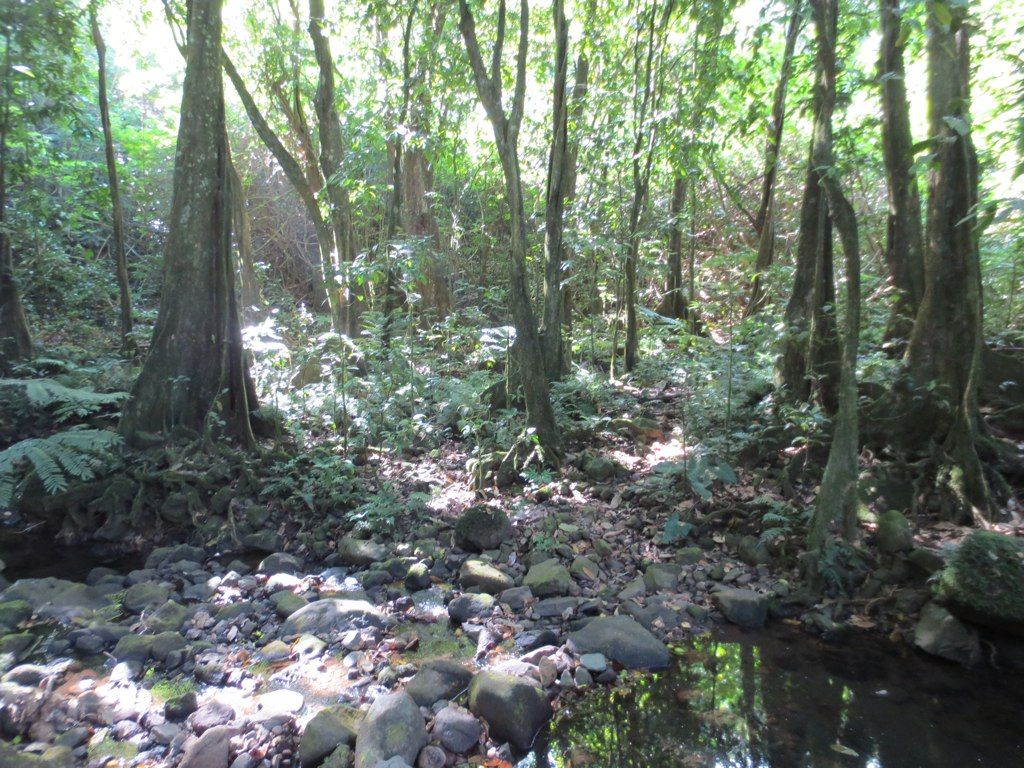
The path is well used but unpaved, with roots, loose stones and patches of deep mud. Allow a few hours for the return walk, plus time on top. Some sections are steep enough that you will use your hands. In the lower part of the valley, the trail passes near the old marae; stay on the path and off the stone platforms. The story of the bays and the Belvedere describes how to reach the trailhead area by road.
Afareaitu and its waterfalls
Also on the menuMoorea in one loop of the coast road
On the east coast, the village of Afareaitu was once the island's main settlement and still has an old church and a quiet, spread-out feel. Behind it, short trails lead up into the valley to waterfalls that drop down black rock faces into small pools. The walks are shorter than the pass, but they are humid, often muddy and slippery near the falls.
The falls are fullest in the wet season, roughly November to April, and can shrink to a trickle in a dry spell. Some paths cross private land, and landowners may ask for a small contribution towards upkeep; amounts and arrangements change, so check before you go. Do not swim under a waterfall or in a stream after heavy rain: rocks can fall, and water levels rise very quickly. If you have any cuts, keep them covered in fresh water and wash afterwards, since bacterial infections, including leptospirosis, are a known risk in freshwater in the tropics.
Afareaitu sits on the coast road round Moorea, and combining a morning waterfall walk with an afternoon on the beaches of the east coast makes a well-balanced day.
Heat, rain and mosquitoes
Moorea is hot and humid all year, and the forest traps heat even in the cooler months. Walk slowly, rest in the shade and drink before you feel thirsty. Light, quick-drying clothes help; cotton stays wet for hours. Rain can arrive with little warning, especially on the high ground, so carry a light rain shell and a dry layer in a waterproof bag.
Mosquitoes are part of every walk in the forest. Wear repellent and long sleeves at dawn and dusk, since mosquito-borne illnesses such as dengue occur in French Polynesia. Check yourself for scratches after the walk and clean them well, because small wounds heal slowly in the tropics.
Let someone at your accommodation know your route and when you plan to be down. Phone signal is patchy in the valleys, and few people walk the trails late in the day.
Should you go with a guide?
Several trails on Moorea are easy to follow in good weather. Others are faint, overgrown or confusing at junctions, and paths can wash out after storms. Local hiking guides know which routes are open and safe, and in some places walking with one is the only practical way to go. If you are unsure about a route, ask locally before you set out, and turn back if the path becomes unclear.
The tallest summits, including Mount Tohiea, the island's highest point, and Mount Rotui, involve steep scrambles and exposed ridges. Treat them as serious climbs, not walks, and do not attempt them alone.
Eating after the walk
A hike on Moorea earns a good lunch. Back on the coast road, look for a fruit stand selling cold coconuts, opened with one blow of a machete, and a ripe pineapple or bunch of small bananas. Snack bars near the bays serve plates of grilled fish, chicken or poisson cru with rice. For something to carry on the trail itself, a fresh baguette, a tin of sardines and some fruit fit easily into a day pack. The guide to fruit-stand fruit helps you choose well.