
 1
Fruit in French Polynesia comes from gardens, hillsides and valley plots, and much of it is sold by the road. A wooden table under a tree, a few bunches of bananas, a pile of green breadfruit, some papayas and a hand-written price on cardboard: that is the classic stand. Sometimes the owner is there; sometimes there is an honesty box. Either way, the fruit was usually picked that morning or the day before.
Buying from these stands is one of the small joys of island travel. The fruit is ripe in a way that supermarket fruit rarely is, because it has not travelled far, and the money goes straight to the family that grew it.
This guide covers the fruit you are most likely to meet, how to choose it, and how people here eat it. Seasons are approximate; they vary between islands and from year to year.
Uru, the breadfruit
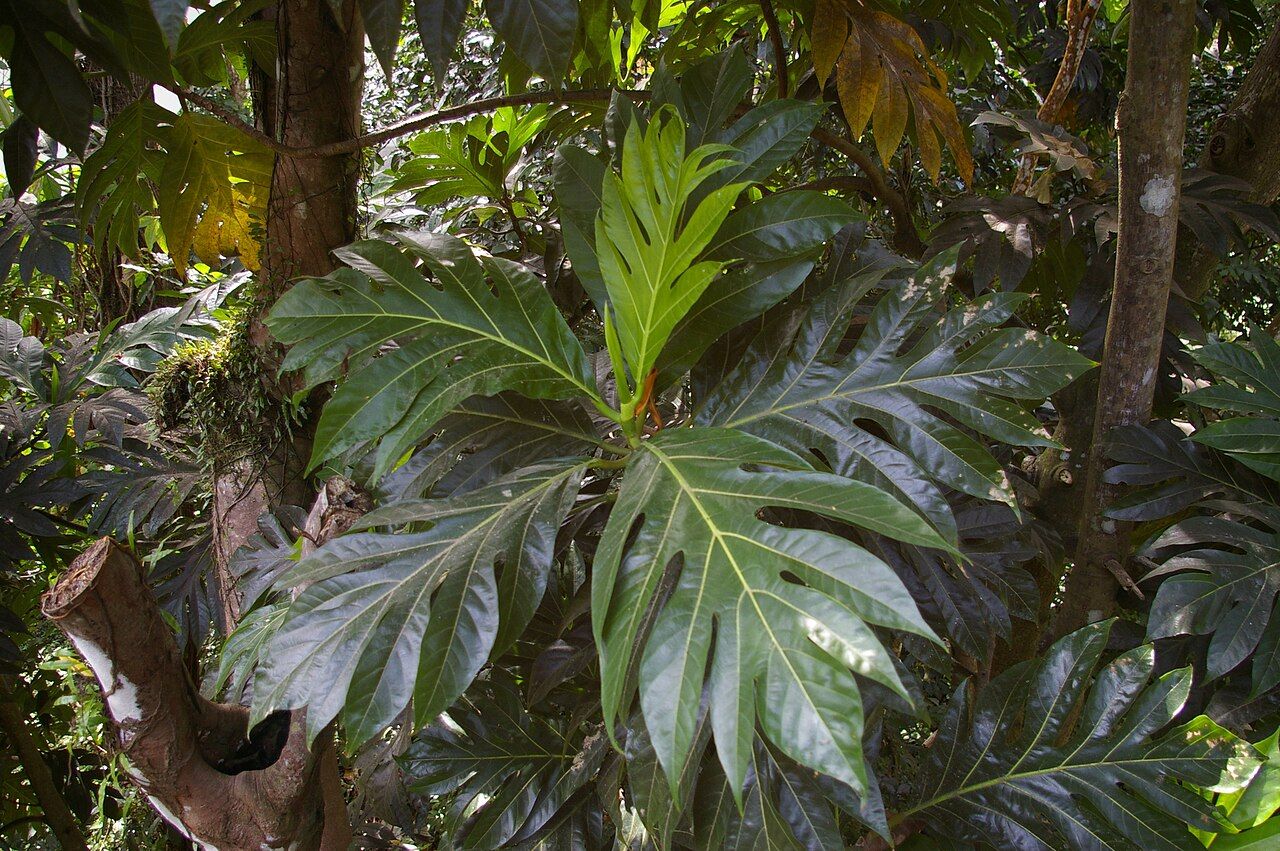
Uru is the starch of the islands. The tree is tall with large, deeply cut, glossy leaves, and the fruit is round to oval, green and bumpy-skinned, about the size of a melon. Breadfruit is eaten as a vegetable rather than a sweet fruit.
To cook it the traditional way, roast the whole fruit on hot coals or in a fire until the skin is completely blackened, then peel it and eat the soft, steaming flesh, which tastes like a cross between bread and potato. It can also be boiled, fried into chips or cooked in the ahima'a earth oven. Choose fruit that is firm and heavy for its size; a little sap on the skin means it is fresh. Breadfruit is most abundant from roughly the end of the year through the first months of the next, with a smaller crop at other times.
Pamplemousse
The Tahitian pamplemousse is a large, sweet pomelo, much bigger than a grapefruit, with thick green or yellow-green skin. Inside, the segments are pale or pink, juicy and sweet with little bitterness.
How to eat it
- Score the thick skin into sections with a knife and peel it away.
- Pull the fruit into segments.
- Peel off the tough membrane around each segment and eat the flesh inside.
Choose fruit that feels heavy, with skin that gives slightly when pressed. Pamplemousse is often eaten as a snack or breakfast, sometimes with a pinch of salt.
Also on the menuPoisson cru, the dish of the islands
Papaya
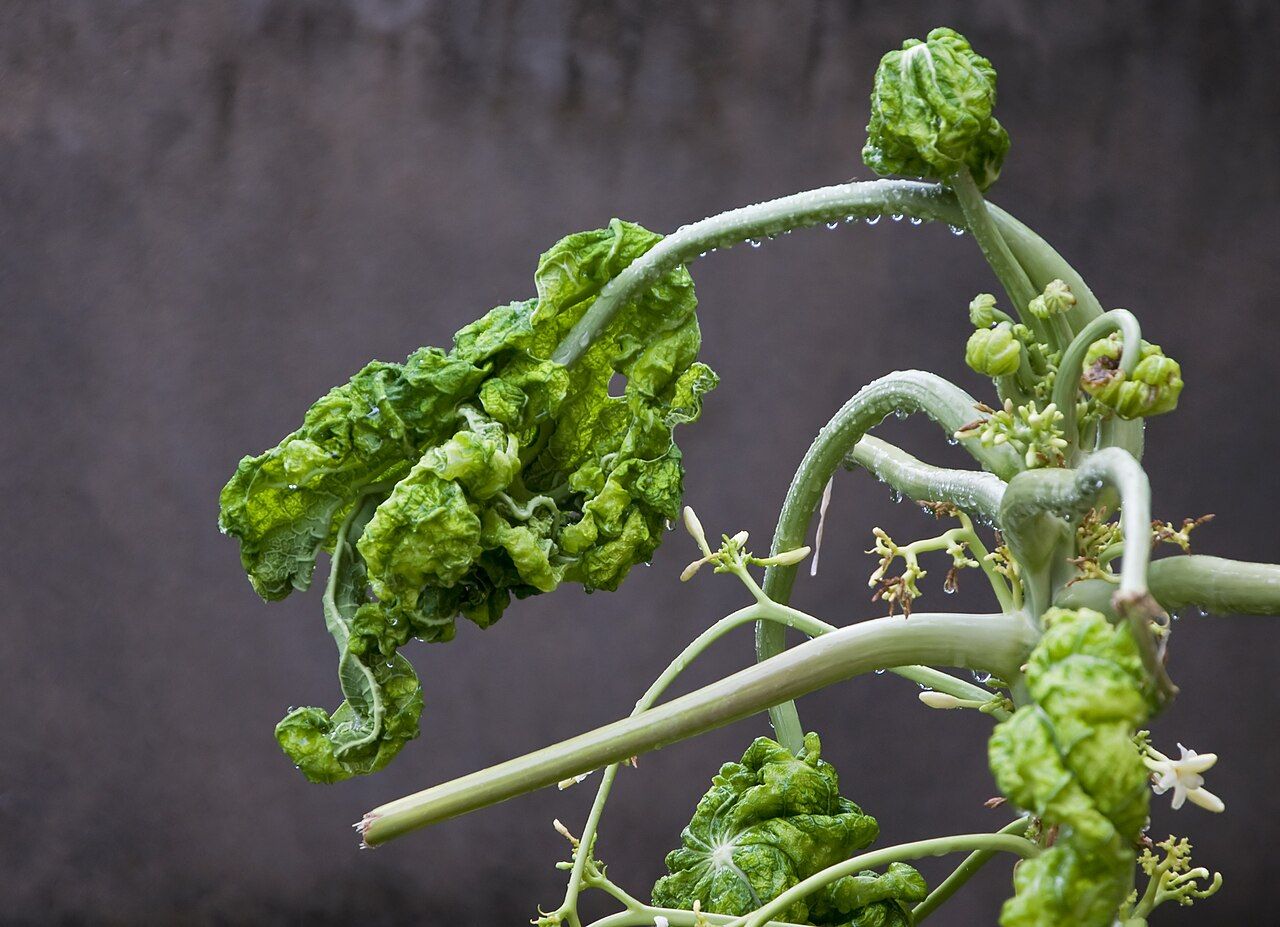
Papaya grows quickly and fruits most of the year. The plant is slender with a crown of large leaves, and the fruit hangs below them from the trunk. Ripe papaya has yellow or orange skin and soft, sweet, orange flesh with a mass of black seeds in the centre.
Cut it lengthways, scoop out the seeds, and eat it with a spoon, ideally with a squeeze of lime. Choose fruit that yields a little to gentle pressure and has a sweet smell at the stem end. Green, unripe papaya is used as a vegetable, grated into salads or cooked in stews. Papaya also turns up in po'e, the baked fruit pudding served with coconut milk.
Mango
Mango season is one of the year's great pleasures. The main crop comes in the hot season, roughly from late in the year into the first months of the next. Trees along roadsides and in gardens drop fruit everywhere, and stands are piled high.
If you are staying somewhere with a mango tree, you will soon learn the sound of fruit hitting a tin roof at night. Ask before picking up fallen fruit in gardens, as it belongs to someone.
Varieties differ from tree to tree: some are small and fibrous, some large and smooth. A ripe mango smells sweet at the stem and gives slightly when pressed; colour alone is not a good guide. Eat them over a sink or in the sea, as many children here do. Green mango is also eaten, sliced and dipped in salt, soy sauce or chilli, a snack with roots in the Chinese-Tahitian kitchen.
Rambutan, starfruit and others
Rambutan
Rambutan looks like a small red ball covered in soft, hair-like spines. Inside the skin is a translucent, juicy flesh around a single seed, sweet and slightly floral. Twist or cut the skin open and pop the fruit out. Rambutan usually appears for a fairly short season during the hotter months.
Starfruit
Carambola, or starfruit, is waxy and yellow-green, with five ridges that give star-shaped slices when cut across. It is crisp, juicy and sweet-sour. Eat it skin and all.
Bananas and coconuts
Many kinds of banana grow here: small, sweet finger bananas; larger ones for eating; and cooking types that are boiled, fried or baked. Fe'i, the orange-fleshed mountain plantain, is always cooked. Drinking coconuts, green and full of cool water, are sold opened at many stands; ask the seller to cut the top off.
Buying at the stands
- Bring small notes and coins; stands rarely have change for large bills.
- Ask before taking a photo of the stand or the people.
- Wash fruit before eating, especially if you will not peel it.
- Prices are generally modest compared with restaurants, but they vary, so check before you go.
- Take your peel and seeds away with you.
Fruit spoils quickly in the heat, so buy only what you can eat in a day or two, and keep it in the shade. Cut fruit attracts ants and flies within minutes; eat it straight away or cover it.
Moorea's pineapples deserve their own page; see Moorea's pineapples. And to taste fruit the way locals start their weekends, visit the municipal market in Papeete early on a Sunday.